Home › Places › Pinellas County restaurant permits, fire and grease rules
Pinellas County restaurant permits, fire and grease rules
- Pick what you need and give your kitchen's ZIP code.
- Each service goes to the number of local companies you choose, from one to five. We check licenses where the law requires one and email you their names.
- You talk with them and decide. You hire and pay the company directly.
U.S. Bureau of Labor Statistics, private restaurants and other eating places
Facts checked 2026-11-03.
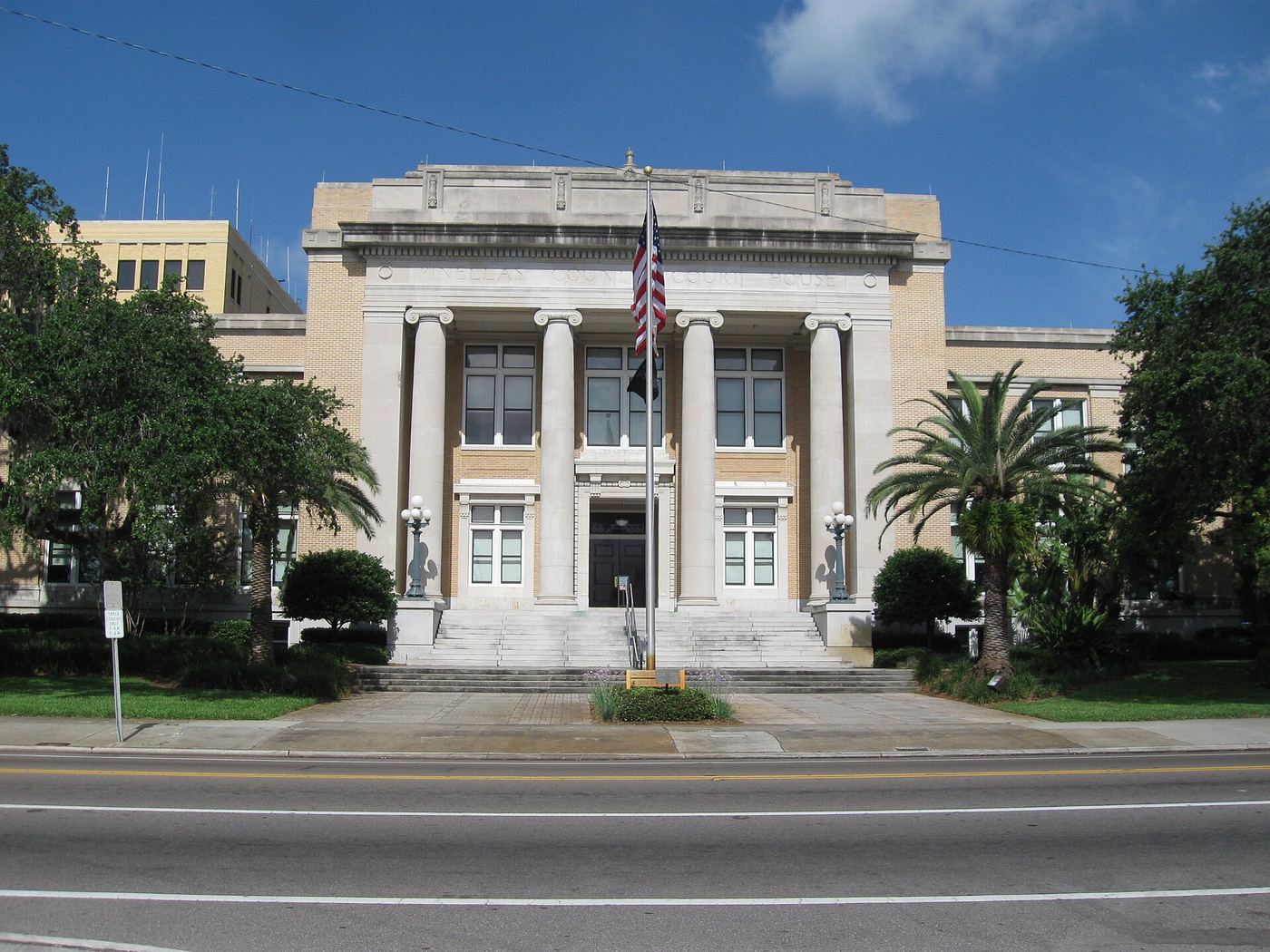

Pinellas County has no single fire marshal for restaurants. Fire code work belongs to the city or fire district that serves your address, while building permits for unincorporated areas go through the county. Grease rules come from the county utility or, in St. Petersburg, from the city's own program.
Each Pinellas fire district does its own fire code inspections
The county says each fire district is responsible for its own fire code inspections and prevention work. For unincorporated areas it contracts with ten city departments and one independent fire district. Four independent districts serve their residents directly. They are East Lake, Palm Harbor, Lealman and Pinellas Suncoast.
When a restaurant build-out needs plan review, the fire inspectors work alongside the county's Building and Development Review Services. A set of plans goes to the fire department, and no county permit is issued until every reviewing agency has approved its part. Plan review for fire suppression systems belongs to your city or fire district.
| Place | Fire office | What its pages say |
|---|---|---|
| St. Petersburg | Fire Rescue, Fire Prevention Division | A fire inspection for the Certificate of Occupancy has to happen before you open. Each building is inspected once every three years |
| Clearwater | Fire & Rescue, Fire Prevention Services, (727) 562-4334 | Does plan reviews and final fire inspections, including suppression acceptance tests. Aims for a 10-day plan review turnaround |
| Largo | Largo Fire Rescue, 727-587-6714 | Fire plan review is required for all new construction and remodels. High hazard and licensed places are inspected every year |
| Pinellas Park | Fire Prevention Division, 727-369-5803 | Handles inspections and plan review. Fire safety plans are filed through the city's Citizens Self Service portal |
| East Lake | East Lake Tarpon Special Fire Control District, (727) 784-8668 | Companies that service fire systems in the district file their reports through The Compliance Engine |
Pinellas Park also requires companies that inspect, service or test fire protection systems to submit their reports through The Compliance Engine. The statewide rules on hood cleaning and fire extinguishers are in their own guides.
Largo publishes its fees. Plan review runs $0.06 a square foot for low hazard work ($100 minimum) and $0.09 for high hazard ($150 minimum), and high hazard facilities pay 150% of the standard fees. Half is paid at submittal and half when the permit is issued. A yearly inspection of a licensed place starts at $100 for up to 10,000 square feet.
Building permits go to the county's Access Portal or to a city's own system
Unincorporated Pinellas files with the county's Building and Development Review Services through the Pinellas County Access Portal. The same office also serves Belleair Beach, Belleair Shore, Indian Rocks Beach, Kenneth City, Oldsmar and Safety Harbor, though the county asks people in those towns to call their city first. Commercial permits cover new buildings, tenant build-outs, remodels and changes of use. Online express permits are for licensed contractors only.
For a restaurant, the county's plan review checklist includes three sets of signed and sealed plans and the energy code forms. The Health Department and the state's Hotels and Restaurants division may review too, and a restaurant sends in a specification sheet with its plans. A Notice of Commencement is needed for work over $2,500 ($7,500 for HVAC), recorded with the Clerk of Court before the first inspection. The county's pages give different review times, so ask Building and Development Review Services what to expect for your project.
St. Petersburg has its own online permits and ePlan review. An ePlan application not corrected within 10 business days is denied. The city offers an optional preliminary plan review meeting, and its fee is credited to the permit. A tenant build-out needs a Certificate of Occupancy when the space never got one.
Clearwater takes permits online through Accela, and its permit list includes kitchen exhaust hoods and grease traps. The city's target review time for a small interior build-out is 7 business days. Its page warns that times are running up to 15 days longer.
For buying kitchen equipment and food, see the statewide guide on equipment and food supply.
A local company can take it from here. One form, free for restaurants.
Get connectedPinellas County wants interceptors pumped at least every 30 days
For a restaurant on the county's sewer system, interceptors are pumped at least every 30 days unless the county approves a variance. Pumping means emptying the unit, with no decanting, skimming or backwashing. Traps are cleaned every week, and each cleaning goes in a log.
Haulers need a permit from Pinellas County. Records of every interceptor cleaning stay on site for three years, and you sign the hauler's service record each time. Every grease-producing fixture, such as sinks and dishwashers, has to drain to an interceptor or grease trap, and existing places with no interceptor must install one.
Food service places that discharge to a county-run treatment plant need a yearly permit, and the fee is $293.38. Asking for a longer pumping interval costs a $423.76 evaluation fee, and the program may send staff to watch a pump-out.
St. Petersburg runs its own grease permit and hauler list
The city has its own grease management program, and every new and existing food service place needs a grease permit from its Public Utilities department. Haulers must be on the city's list, and cleanings are logged on the city's online platform. The city notes that decanting back into an interceptor has been banned in Florida since July 1, 2022, and that its grease ordinance is being revised to match. Fryer oil has its own guide on used cooking oil.
Pinellas County repealed its occupational license in 1995
Without a county occupational license, an unincorporated business doesn't need a county business tax receipt. A business inside a city may need one from that city.
Pinellas added 167 eating places as restaurant jobs slipped a little
The Bureau of Labor Statistics counted 2,216 private restaurants and other eating places in Pinellas County in 2025. In 2019 there were 2,049, so the count rose by 167, or 8.2%. Jobs at those places slipped a little over the same years, from 38,103 to 37,742.
Add the kitchen's Pinellas County ZIP code to the form, and we'll pass the job to the number of local companies you choose (one to five).
Other places in Florida
Questions
How often does a grease interceptor need pumping in Pinellas County?
The county code says at least every 30 days unless the county approves a variance. Grease traps are cleaned every week and logged.
Who does fire inspections for a restaurant in Pinellas County?
The fire department or fire district that serves your address. The county says each district handles its own fire code inspections.
Do I need a county business tax receipt in Pinellas County?
Not from the county, which repealed its occupational license in 1995. A business inside a city may need a receipt from that city.
Who inspects restaurants for the state in Pinellas County?
The DBPR Division of Hotels and Restaurants, from its District 3 office in Tampa, which also covers Hillsborough County.
How many restaurants are in Pinellas County?
The Bureau of Labor Statistics counted 2,216 private restaurants and other eating places in 2025, up from 2,049 in 2019.
Sources
- Pinellas County, fire administration
- Pinellas County, Building and Development Review Services
- Pinellas County, applying for a building permit
- Pinellas County, commercial plan review
- Pinellas County, commercial grease management
- Pinellas County, food service establishment permit
- Pinellas County, variance to pumping frequency
- Pinellas County, occupational licenses
- St. Petersburg Fire Rescue, commercial services
- City of St. Petersburg, building permits
- City of St. Petersburg, food service permits
- City of St. Petersburg, grease management program
- Clearwater Fire & Rescue, Fire Prevention Services
- City of Clearwater, apply for a building permit
- Largo Fire Rescue, plan review
- Largo Fire Rescue, fire inspections
- Pinellas Park, Fire Prevention Division
- Pinellas Park, Fire Inspections
- East Lake Tarpon Special Fire Control District, compliance reporting
- Florida DBPR, Hotels and Restaurants division offices